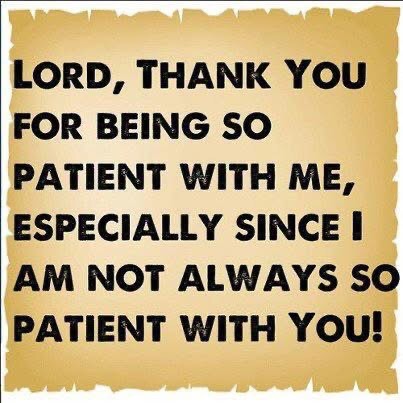
I’m thankful that God isn’t like me in a lot of ways. I’m especially thankful that He doesn’t treat me the way I deserve (or worse yet, like I treat Him sometimes). That would probably be fair but it wouldn’t turn out very well for me.
God isn’t fair with me. He’s merciful. He doesn’t give me what I deserve but what Jesus deserves. He gives me what I don’t deserve, and gave to Jesus on the cross what I did (and do) deserve.
Easter is the epitome of God not being fair in the best way possible. The cross is Jesus getting what every one of us deserves and those in Christ getting every benefit that only Jesus deserves. I don’t want to know what it would be like if I suddenly got all that I had earned by my thoughts and behaviors. None of us do.
But Jesus knows because He bore it all on the cross. Every dark thought, every selfish motive, every lustful inclination, every bad deed. He knows it in full and paid it in full. All of it.
The more you and I know who we are apart from the grace of God, the more we’re thankful for Easter Sunday. The louder we’ll sing. The higher we’ll lift our hands.
“The subject of our meditation in this present life should be the praises of God; for the everlasting exaltation of our life hereafter will be the praise of God, and none can become fit for the life hereafter, who has not practiced himself for it now. So then now we praise God, but we pray to Him too. Our praise is marked by joy, our prayer by groans…On account of these two seasons, one, that which now is in the temptations and tribulations of this life, the other, that which is to be hereafter in everlasting rest and exultation; we have established also the celebration of two seasons, that before Easter and that after Easter. That which is before Easter signifies tribulation, in which we now are; that which we are now keeping after Easter, signifies the bliss in which we shall hereafter be. The celebration then which we keep before Easter is what we do now: by that which we keep after Easter we signify what as yet we have not. Therefore we employ that time in fastings and prayer, this present time we spend in praises, and relax our fast. This is the Halleluia which we sing, which, as you know, means Praise ye the Lord. Therefore, that period is before the Lord’s Resurrection, this, after His Resurrection: by which time is signified the future hope which as yet we have not: for what we represent after the Lord’s Resurrection, we shall have after our own” (St. Augustine).
 Ragamuffingospelfan's Blog