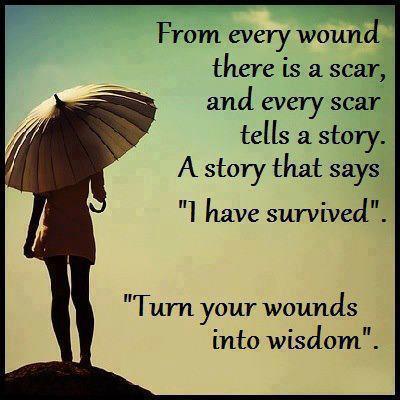
I have a scar on my left hand. It goes back to when I was 18 or 19 years old. I was driving down Poplar Avenue in Memphis, Tennessee to Cat’s Music to do some trading of music. At some point, I passed my destination. Later on, I came to a two-way flashing red light stop.
The problem was that I didn’t know it was a two-way stop. Even if I had known, I probably still wouldn’t have known what to do. The result was me pulling out in front of a full-sized truck and getting hit in the driver’s side door.
In case you’re wondering, I survived. I ended up with a rather garish wound on my left hand. At first, I could see clear to the bone. That’s when I realized that it hurt. A lot.
Thankfully, that was the extent of my injuries. Unfortunately, my car did not survive the encounter. But to this day, I carry the scar as a reminder of the foolishness of my youth and the ever-present and ever-protective grace of God.
Scars tell stories. They speak to wounds that have healed but left visible reminders. As much as the memorial stones set up by the people of God in olden times, scars are a kind of memorial to a time when you survived. They are a testimony to how God met you in the moment of your wounding and carried you through it.
Every time I see my scar, I see God’s goodness. Every time my hand cramps up when I’m writing, I think back to how close I came to not being here. I’m still thankful.
Scars can be shameful if you focus on the wound and the hurt, but they can be sacred if you choose to see how God turned that painful moment into something beautiful and good.
“Darkest water and deepest pain
I wouldn’t trade it for anything
‘Cause my brokenness brought me to you
And these wounds are a story you’ll use
So I’m thankful for the scars
‘Cause without them I wouldn’t know your heart
And I know they’ll always tell of who you are
So forever I am thankful for the scars” (Ethan Hulse, Jon McConnell, Matthew Armstrong, Matthew Hein).











 Ragamuffingospelfan's Blog